

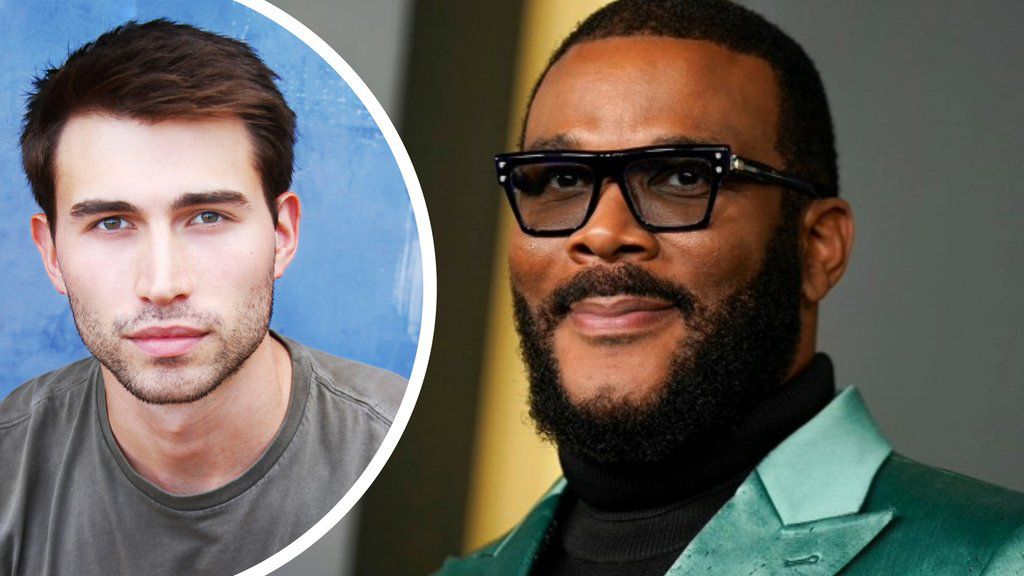
Nigerians—and viewers across West Africa—are closely following the recent developments surrounding actor Derek Dixon, known for his role as Dale in The Oval. Dixon has publicly brought forth a series of serious allegations against acclaimed filmmaker and business mogul Tyler Perry, sparking a conversation that transcends entertainment circles and is resonating in real time across the continent.
The Shocking Nature of the Allegations
Dixon made his accusations public in June 2025, initially through the filing of a lawsuit. This revelation gained significant momentum as Dixon gave a detailed interview to ABC News, hosted by Linsey Davis, bringing international attention to the case.
Describing an encounter he says occurred in January 2020 at Perry’s residence in Atlanta, Dixon recounted an evening that, he alleges, began with casual drinks but took a distressing turn.
“I got into bed and then I noticed that he climbed into bed with me as well and started rubbing my leg,” Dixon told Davis, adding, “I jumped up out of bed.” Such details, though still allegations, have fueled widespread debate online and in the media, with many Nigerians reacting with a mix of shock and skepticism.
Tracing the Beginning: Dixon and Perry’s Professional Relationship
According to Dixon, their professional relationship began at a 2019 studio event, where Perry reportedly expressed interest in his career, ultimately requesting his contact details and keeping in touch. Shortly after, Dixon was cast in a string of Perry’s productions including Ruthless and, importantly, The Oval.
Dixon’s lawsuit alleges that the professional opportunities he received were not free from strings. He accuses Perry of sending inappropriate messages, making overt propositions, and allegedly groping him in 2021. While Perry’s team denies all accusations, the power dynamics at play touch on themes that are increasingly relevant for African creatives navigating global industries.
“All those years of trying to be an actor would just go up in smoke… I was too afraid to come forward. I knew it would be awful. And I was right,” Dixon explained to The Hollywood Reporter.
RELATED: Tyler Perry’s legal team denounces $260 million sexual assault lawsuit as a ‘scam’
What’s Inside the $260 Million Lawsuit?
The lawsuit Dixon filed in June 2025 is detailed, citing the following:
-
Alleged repeated sexual harassment—including explicit messages and physical contact.
-
Claims of workplace misconduct—accusing Perry of leveraging his influence for alleged personal gain.
-
Accusations of assault and battery—with a highlighted incident in 2020.
-
Quid pro quo allegations—implying that ongoing roles and upward mobility hinged on compliance with Perry’s wishes.
Dixon is seeking $260 million in damages, citing emotional trauma, reputational harm, and lost opportunities. Such a colossal figure has attracted criticism, but also reflects the scale of the impact Dixon claims.
RELEVANT: Public reacts to $260M lawsuit against Tyler Perry with scepticism, and conspiracy theories
Tyler Perry Responds: A Fierce Denial Amid Public Scrutiny
Although Perry himself has refrained from making an extended public statement, his legal representative, Matthew Boyd, condemned the allegations.
“This is an individual who got close to Tyler Perry for what now appears to be nothing more than setting up a scam,” Boyd told TMZ. “Tyler will not be shaken down, and we are confident these fabricated claims of harassment will fail.” The legal standoff continues to fuel debate, especially among Nigerian and Ghanaian fans of both Dixon’s and Perry’s productions, who are torn between loyalty and the seriousness of the allegations.
Looking Beyond the Case: Cultural Impact and Local Conversations
The allegations against Perry and the ongoing litigation have ignited discussions far beyond Hollywood. Speaking to ABC, Dixon maintained that his fight goes deeper than financial compensation:
“Everyone deserves to go to work and do their job without their boss trying to have sex with them,” he stated. “My goal is to help ensure that the next generation of actors and creatives don’t have to choose between their dreams and their dignity.”
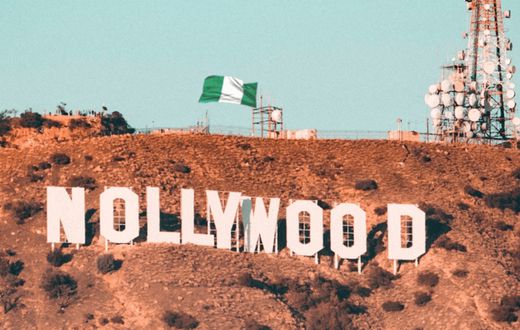
West African Perspectives: What Does This Mean for Nollywood & Local Talent?
Observers across Nigeria and Africa are drawing parallels between these developments and the challenges faced by actors and filmmakers in Nollywood and other African film industries. According to Lagos-based industry analyst Femi Adeoye, “Situations where power dynamics play out in work environments are not unique to the U.S. We must have honest conversations locally about putting robust safeguards in place for vulnerable talent.”
Industry groups in Nigeria, such as the Directors Guild of Nigeria, have in recent years advocated for stricter anti-harassment policies. In Ghana, similar calls have come from the Ghana Actors’ Guild, especially after previous allegations against prominent figures. Local legal expert Ngozi Nwosu, speaking to NowahalaZone, noted, “This case reminds us that the need for proper reporting channels and protection for both accusers and accused is just as relevant in Africa as elsewhere.”
What Lies Ahead for Perry, Dixon, and the Public?
As the lawsuit enters its early phases, Perry’s legal team prepares to mount a formidable defense. Whether the matter is settled out of court, progresses to a full trial, or is dismissed, global audiences—especially fans in Nigeria and Ghana—are watching intently.
Public opinion in Nigeria remains sharply divided. Some see Dixon’s suit as a long-overdue challenge to power, while others view it as unproven claims threatening a major Black creative icon’s reputation. “We need to take allegations like this seriously, but also ensure due process is respected on all sides,” Abuja-based film student Oluwapelumi Ayo remarked.
Regardless of the eventual verdict, Dixon’s claims and Perry’s response are already reshaping conversations about power, accountability, and safe workplaces within both Hollywood and West African creative industries. As the legal process plays out, many hope that both justice and long-term reforms emerge, inspiring change that protects all forms of talent—African or otherwise—from similar disputes in future.
RECOMMENDED: Tyler Perry and why Black trauma still sells
Have Your Say
Are allegations like these a sign of progress in holding powerful people accountable, or do they risk discouraging investment in talent development if claims go unproven? What measures should Nigerian and African film industries take to ensure fair, safe work environments? What’s your own view? Share your thoughts below and follow us for the latest updates as this case unfolds.