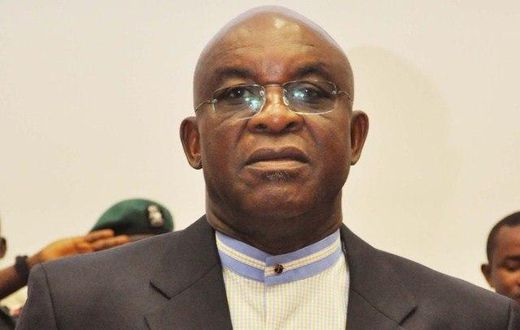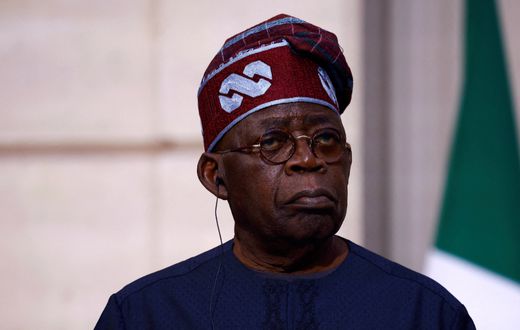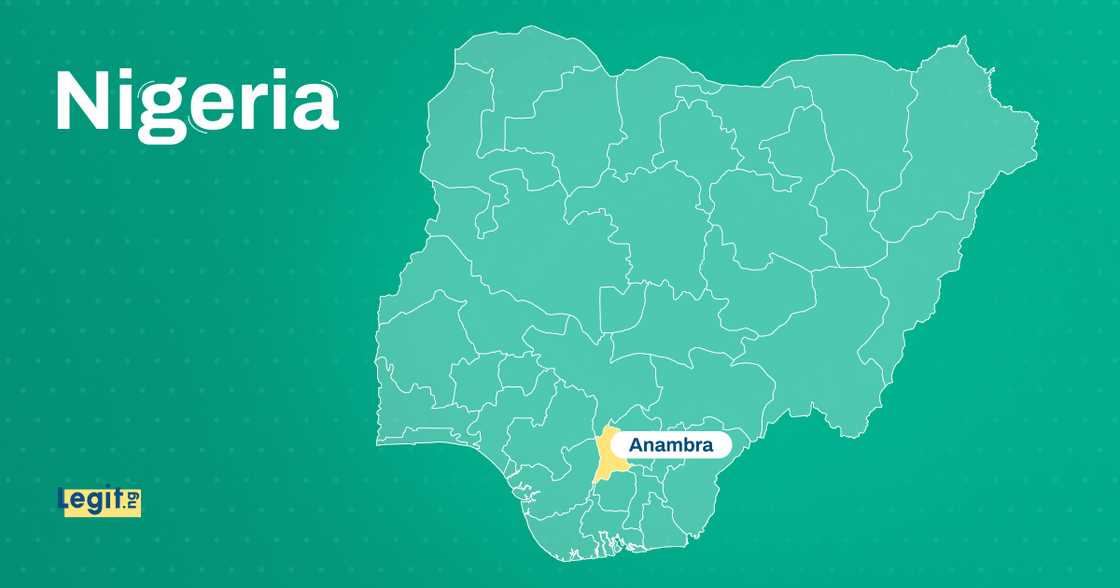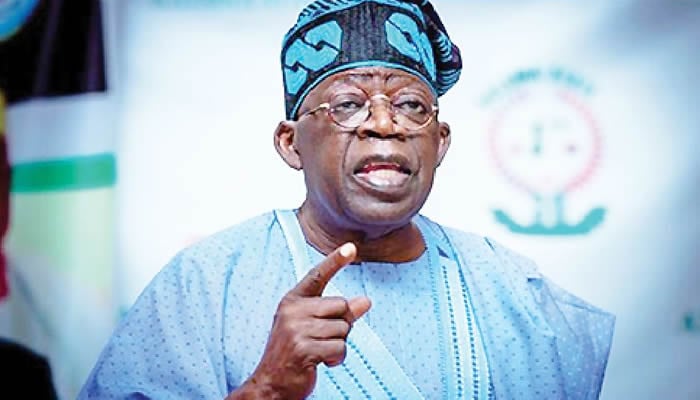


The aftermath of the recent local government elections in Rivers State, Nigeria, has prompted heated debate within the political landscape. Dare Glintstone Akinniyi, spokesperson for the New Democratic Frontiers (NDF), has openly questioned the legitimacy and political context surrounding the All Progressives Congress (APC)’s sweeping victory on Saturday, August 30, 2025. Describing the electoral outcome as a “political game,” Akinniyi suggests deeper power plays are at work in Rivers politics.
Rivers State LG Polls: Familiar Patterns Emerge
According to official figures released by Dr. Michael Odey, Chairman of the Rivers State Independent Electoral Commission (RSIEC), the APC claimed wins in 20 of the state’s local government areas. Meanwhile, the ruling Peoples Democratic Party (PDP) managed to hold onto just three key councils—Port Harcourt, Obio Akpor, and Ogba/Egbema/Ndoni. These areas, often identified as PDP strongholds, have historically served as the party’s bastions, reinforced by strong grassroots structures.
While the PDP’s limited success in these strongholds might come as no surprise to regular watchers of the region’s politics, many observers—Akinniyi among them—have expressed shock at the APC’s surge. Rivers State has long been considered a PDP territory, and questions abound as to how the APC was able to secure such a widespread victory seemingly overnight.
“It’s unusual for the APC to have this level of presence in Rivers, given the PDP’s historic control,” Akinniyi stated during an interview on Sunday, September 7. “Nigerians are watching closely, and many are wondering what triggered such a political shift.”
The NDF spokesperson alleges that the recent elections exemplify a scenario where Minister Nyesom Wike, now in charge of the Federal Capital Territory (FCT), is wielding significant influence over both major parties. According to Akinniyi, Wike now not only has sway in the APC but continues to exercise considerable control over the PDP’s decision-making apparatus in Rivers. This, he claims, is evidenced by reports of loyalists being appointed into strategic political positions across the state.
Akinniyi’s assessment has fueled broader public debates about power consolidation and the integrity of local democratic institutions.
“The witch wept yesterday, and the child passed away today, who is unaware that it’s the witch from yesterday that caused the child’s demise.
“This is the adage that best explains the political maneuvers or gamesmanship in Rivers State regarding the Rivers LG polls.
“How do we explain the scenario where APC suddenly becomes strong and now winning elections, if not the handwriting of the Godfather of Governor Sim Fubara, Minister Wike. Ex-Governor Wike is both in control of PDP and APC in Rivers State — you will notice that the candidates are not from any camp except those close to him.
Reinstating Fubara: A Core Issue for Rivers Stakeholders
Tensions escalated further when reports emerged that Siminalayi Fubara, the suspended Governor of Rivers State, could return to office. On August 30, Minister Nyesom Wike reportedly revealed that both Fubara and members of the state House of Assembly would resume their roles on September 18, coinciding with the expiration of a declared state of emergency in Rivers.
For Akinniyi, however, the core priority remains the unconditional reinstatement of Governor Fubara. During his media appearance, he emphasised, “The political stability of Rivers doesn’t depend on backdoor arrangements. Getting Fubara back at the helm, with due process, is crucial for investor confidence and grassroots trust.”
This reflects a concern shared by many Rivers residents and civic leaders. Port Harcourt-based legal analyst Chigozie Ndukwe noted, “Leadership crises in the state send the wrong signals to investors—both local and international. The standoff needs to end in a manner that restores public trust in leadership transitions.”
The exact terms of Fubara’s return—and the wider implications for state governance—remain under close scrutiny, especially as different factions assert their interests over the future direction of the state.
“Nothing special in the LG Polls, it is just business as usual and for peace to reign, no one is interested in that drama. We are all interested in the return of the democratically elected Governor of Rivers State, Gov. Sim Fubara. We are counting down to the 6months and nothing is as important as that return of Governor Sim.”

Photo credit: Lere Olayinka
Source: Facebook
APC Victories and What They Portend for 2027
Looking ahead, attention is turning to the 2027 general elections. Analysts like Akinniyi forecast stiffer challenges for the PDP in Rivers, especially should Wike remain the main powerbroker across both parties. According to estimates from regional observers, Rivers State typically serves as a bellwether for national politics, and sudden changes in local alignments could have wider implications for party dominance at the federal level.
“Unless the PDP revitalises its local networks and finds ways to balance internal power struggles, it faces the risk of losing even more ground by 2027,” remarked Mrs. Evelyn Uchendu, a political scientist at the University of Port Harcourt.
Furthermore, data from previous election cycles indicate that Rivers’ voting patterns often influence neighbouring Bayelsa and Akwa Ibom states, making these developments relevant for the wider Niger Delta region. For parties strategising for broader West African influence, the Rivers scenario also offers a case study in intra-party negotiation, electoral reform, and grassroots mobilisation.
Akinniyi reportedly stated:
“2027 will be a difficult time for PDP in Rivers State, except Minister Nyesom Wike is fully in charge of the structure. He has incessantly promised to work for the re-election of President Tinubu in 2027, and I wonder how he will balance his membership in PDP and love for APC.
“I doubt Governor Fubara will have Wike’s support in 2027 for a second term of office. There is never anything impossible in Politics, and 2027 is still miles ahead.”
Secrecy Shrouds Wike-Fubara Peace Deal
An additional layer of intrigue surrounds the recent peace deal between FCT Minister Wike and suspended Governor Fubara—brokered with the involvement of President Bola Tinubu. Local media sources have reported that Wike is refusing to disclose the specific terms of this truce. During a televised exchange, he claimed that some details are best kept confidential “for the stability of governance in Rivers.”
While such secrecy may be intended to facilitate a smooth resolution, it has left some community leaders and transparency advocates uneasy. “Opaque political agreements risk eroding public trust and could set a dangerous precedent for how conflicts are managed elsewhere in Nigeria,” said Clement Uche, a governance specialist based in Lagos. International NGOs monitoring democratic processes in Nigeria have similarly called for transparency and public accountability in political negotiations.
Fubara’s Local Base Challenged: APC Claims Major Chairmanship Seat
In a symbolic blow to the embattled former governor, the Rivers State Independent Electoral Commission (RSIEC) announced that the APC captured the chairmanship seat in Opobo/Nkoro Local Government Area—the home jurisdiction of Siminalayi Fubara. Legal practitioner Barrister James A. James, representing the APC, was declared the winner in the Saturday vote.
This development is viewed by many political observers as a clear indication of shifting allegiances at the grassroots level. Notably, this also reflects broader patterns seen in recent Nigerian politics, where local contests are increasingly influenced by national actors and intra-party rivalries.
Leaders in neighbouring Delta and Edo states are said to be studying the situation closely, wary of similar dramatic changes in their own local council dynamics. Regional civic groups and the media have highlighted the need for reforms in local electoral processes to improve fairness and voter confidence.
Comparative analysis also draws parallels between the Rivers situation and past local elections in Ghana and Senegal, where power struggles have at times led to unexpected upsets and shifting coalitions. Experts widely agree on the importance of clear rules, independent election monitoring, and transparent party primaries.
As the dust settles on these landmark local elections, the people of Rivers, and indeed much of Nigeria, are left with questions about the future of party politics and democratic accountability. Will the PDP recover its influence? Can new power dynamics pave the way for deeper reforms? Or are such outcomes a natural result of evolving political alignments in Africa’s most populous nation?
What do you think about the recent local government elections in Rivers State—do they signal a genuine shift or just a temporary realignment? Drop your thoughts and join the conversation below! Stay tuned for expert insights and ongoing updates.
Email us at [email protected] to get your story featured or to discuss story sales.
For general questions or support, contact us at [email protected].
Follow us on Facebook,
X (Twitter), and
Instagram for the latest updates, in-depth stories, and community opinions!