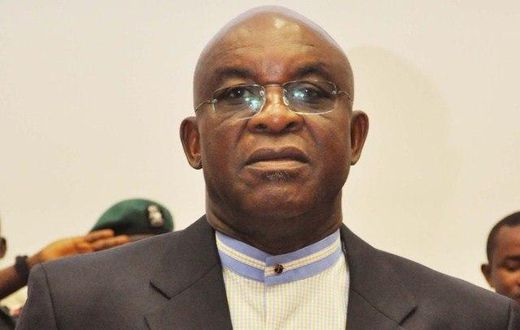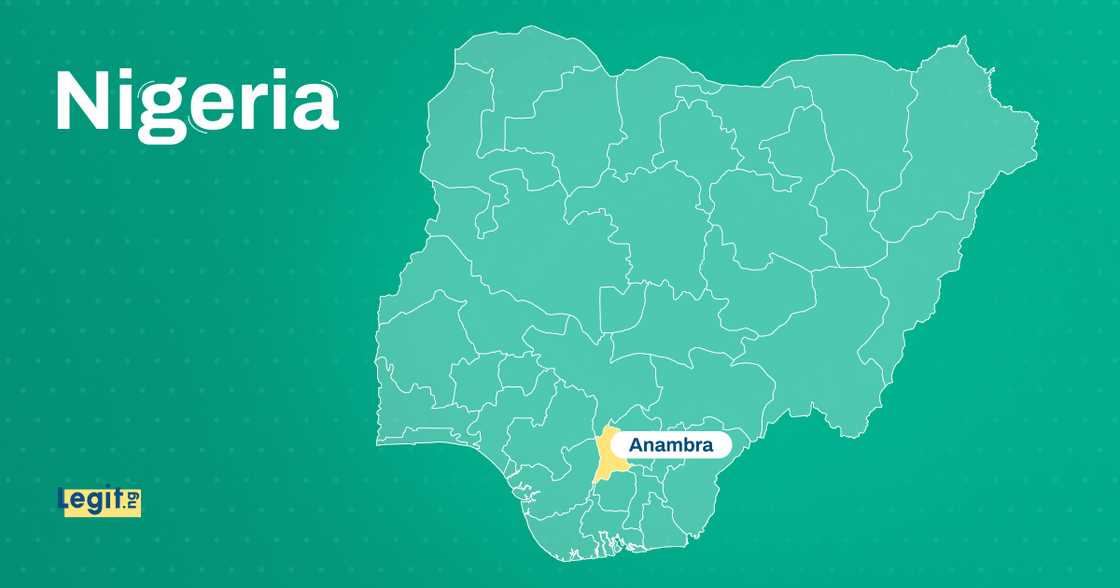


In Rivers State, Nigeria, the winds of transition are blowing as Vice Admiral Ibok-Ete Ibas (Rtd), who has been acting as the state’s administrator, officially initiates the handover process back to civilian rule. This marks a pivotal moment for the state and signals a crucial step forward following what has been a turbulent period in Rivers’ political history.
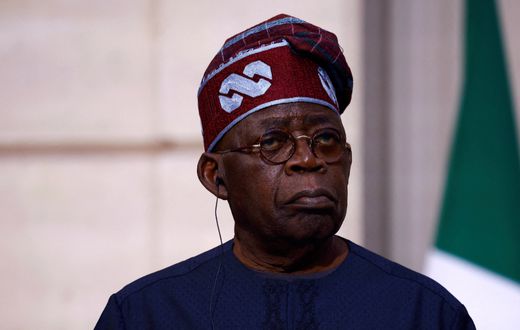
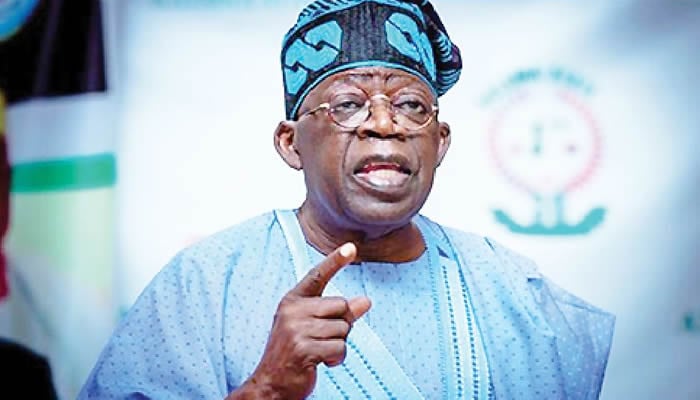
It’s been half a year since President Bola Ahmed Tinubu declared a state of emergency in Rivers State—a bold intervention prompted by persistent unrest and governance challenges. Since then, Vice Admiral Ibas, appointed by the Presidency, has overseen affairs and now embarks on formal activities that will ultimately restore democratic governance. According to government officials, the transition process is poised to begin on Sunday, September 14, 2025, with a significant inter-denominational thanksgiving service scheduled to take place at the Ecumenical Centre on Abonnema Wharf Road, Port Harcourt.
This service, as outlined in a statement by Professor Lucky Worika, Secretary to the State Government, is designed as an inclusive event. Invitations have reportedly gone out to a broad spectrum of society: permanent secretaries, local government chairmen, security leaders, traditional rulers, business leaders, captains of industry, and other distinguished guests. The thanksgiving service is not just ceremonial—it symbolizes a moment of gratitude, reflection, and unity as different stakeholders gather to chart a new course for Rivers State.
According to Professor Worika, the event is intended to “bring together all segments of the community in acknowledgement of the state’s resilience through a challenging transitional period, and to mark a new era of hope as Rivers returns to democratic stewardship.” This follows the Nigerian tradition of beginning major state events with thanksgiving, reflecting the cultural importance of faith and collective resolve in the region.
On Friday, during the official handover of the August 30 Local Government election report, Vice Admiral Ibas declared publicly that the mission assigned to him by the Presidency had reached its conclusion. “The presidential mandate conferred upon me on March 18 has been fulfilled,” he said, summarizing the administrative journey that has shaped Rivers State over the past several months.
Vice Admiral Ibas recounted the situation he inherited: mounting political instability, unrest affecting daily lives, and critical vulnerabilities facing the state’s economic assets. “When Mr. President entrusted me with this difficult assignment, I pledged to serve with courage and impartiality,” he reaffirmed. Drawing from his background in military leadership, Ibas highlighted the core objectives—restoring peace, stabilizing governance, and safeguarding the state’s economic arteries from further disruption.
“Six months after, we have restored calm, stabilized the state, and ensured that Rivers remains a strong economic ally of the nation. While challenges remain, I can confidently say the presidential mandate has been fulfilled,” the retired Vice Admiral stated, according to official transcripts shared with the press. His remarks have since generated discussions across Rivers and Nigeria at large, with many local stakeholders reflecting on the gains and challenges of the period.
Local Reactions and Socio-Economic Implications
The transition activities have elicited mixed reactions across Rivers State. Residents interviewed by local media outlets in Port Harcourt and surrounding communities welcomed the return to democratic norms. “This period has not been easy for our businesses and day-to-day life,” remarked Nkechi Amadi, a Port Harcourt-based trader. “We hope that full civilian rule will bring back investor confidence and restore essential services.”
Civil society groups, such as the Rivers Democratic Forum, have also expressed cautious optimism. Speaking with Daily Trust, the Forum’s spokesperson, Chinedu Abang, noted, “While the emergency administration brought relative peace, we must now look toward inclusiveness and address lingering socioeconomic challenges such as youth unemployment and environmental degradation.”
Business analysts in the Niger Delta, including Lagos-based economist Tunde Oladipo, highlight the importance of a smooth transition. “Rivers State is pivotal to Nigeria’s oil economy. Political stability and clear governance structures are essential for both domestic and foreign investors,” Oladipo told Business Day. He further suggested that lessons from this period could shape future responses to similar crises in other parts of Africa, such as Cameroon and Côte d’Ivoire, where political instability has historically hindered economic development.
Regional and Global Perspective
Nigeria’s return to civilian rule in Rivers is being closely watched throughout West Africa and beyond. The Economic Community of West African States (ECOWAS) has advocated for peaceful, democratic transitions as crucial for regional security. According to the ECOWAS public affairs office, “Stable and transparent handovers set a benchmark for effective governance, deterring unconstitutional changes of power in the region.”
International organizations, including the African Union (AU), see Rivers’ experience as yet another test of Africa’s commitment to democratic norms. Comparative data from the Mo Ibrahim Index shows that sub-Saharan Africa has made gradual progress on governance indicators, but setbacks persist wherever political transitions encounter violence or disruptions. Rivers State’s ability to return peacefully to democracy may serve as a valuable model or cautionary tale for other resource-rich regions in political flux.
Challenges Ahead and Community Voices
Despite progress, not all challenges have been resolved. Human rights advocates like Gloria Orji, founder of Port Harcourt-based NGO Women for Justice, cautioned, “Some communities are still grappling with insecurity and loss of livelihoods. The next administration must prioritize dialogue, equitable policy-making, and long-term healing.”
There is also the matter of electoral confidence. Reports of irregularities in the August 30 Local Government elections, though not officially confirmed, have fueled calls for more robust monitoring and independent oversight. “We want to ensure that the voices of marginalized groups—especially youth and women—are heard and respected in the future,” added Orji.
Looking forward, Professor Worika emphasized that the government will “continue supporting reconciliation, investment in critical infrastructure, and transparent governance to guarantee lasting stability.” Legal experts, such as Barrister Ifeanyi Ben, explained to Channels TV that successful transitions hinge on not just returning to civilian rule, but also sustaining political inclusion and enforcing existing regulations against political violence and economic sabotage.
Global Lessons and Nigerian Resilience
For observers in Ghana and the broader West African region, Rivers’ experience resonates on multiple levels. Both countries have faced episodic challenges with political transitions and are keenly aware of the need to protect democratic norms. According to political scientist Dr. Kweku Mensah of Accra, “Nigeria’s fulfillment of the mandate in Rivers signals determination across the subregion to prioritize systemic reforms over temporary fixes.”
Ultimately, the weeks ahead will test the capacity of Rivers State—and by extension, Nigeria—to guide its people through peaceful, credible, and sustainable democratic change. As local communities, businesses, and civil organizations engage with the incoming administration, there is a sense of hope mingled with pragmatism. The eyes of West Africa and the wider world remain focused on Port Harcourt, watching how Rivers shapes its post-emergency future.
As Rivers State prepares for this symbolic return to civilian rule, what lessons can other Nigerian states and African nations draw from this transitional journey? Are there reforms or innovations that should be made to ensure future transitions are smoother—and more inclusive? Share your thoughts in the comments below and stay connected for the latest updates on Rivers’ journey and broader governance trends in West Africa.
Do you have insights or a story related to the Rivers State transition, political reforms, or community impact? We’d love to hear from you! To get your story featured, or to discuss story sales and tips, email us at [email protected]. For general support or inquiries, contact [email protected].
For more news and analysis, follow us on Facebook, X (Twitter), and Instagram.
Join the conversation—what steps should Nigeria and other African countries take to ensure peaceful, effective transitions? Drop your perspectives below, and remember: If you have a tip or an important story to share, our inbox is always open!