

Two Chinese Nationals and Company Sentenced for Illegal Mining in Kwara State: What It Means for Nigeria’s Struggle Against Resource Exploitation
In a significant ruling that has drawn attention across Nigeria and West Africa, Justice Abimbola Awogboro of the Federal High Court in Ilorin handed down a two-year prison sentence each to two Chinese nationals, Yang Chao and Wu Shan Chuan, following their conviction for illegal mining activities in Kwara State. Their company, Crius Chemical Nigeria Limited, was also found guilty and fined, according to a March 7, 2025 judgment that underscores the Nigerian government’s renewed commitment to regulating the mining sector.
The Economic and Financial Crimes Commission (EFCC) prosecuted the case, bringing a single but weighty charge against the defendants for engaging in the extraction of solid minerals without proper authorization. This development has raised fresh conversations among Nigerians about the challenges of controlling illegal mining and the broader impact of foreign involvement in the country’s natural resources.
The Case: A Timeline of Events
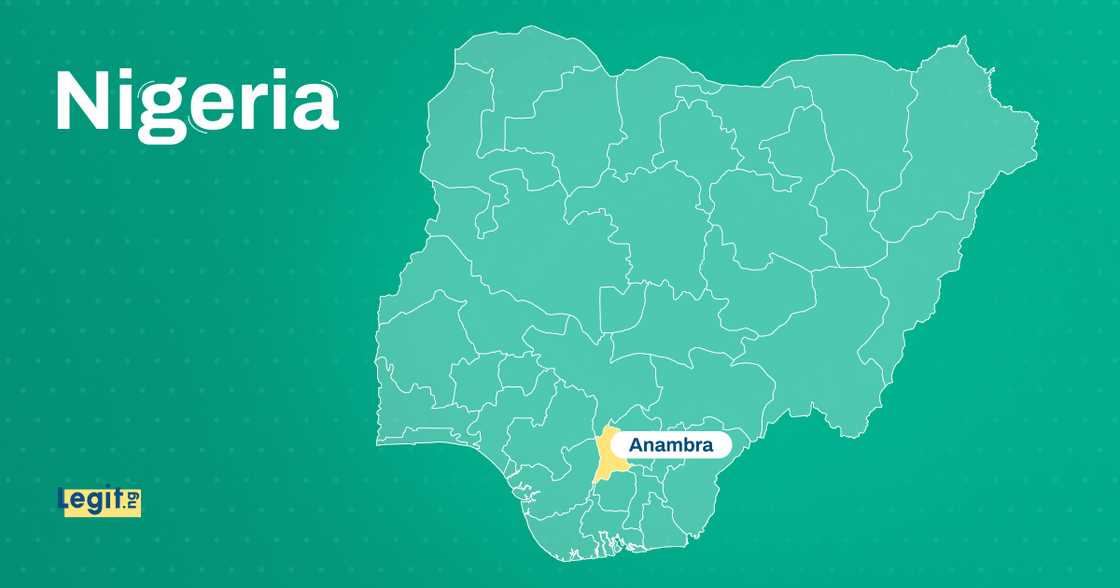
According to the court documents and EFCC reports, the illegal activities carried out by the defendants took place in March 2024, directly violating Section 134(b) of the Nigerian Minerals and Mining Act, 2007. Enforcement agencies allege this law was broken when the accused engaged in mining operations without the necessary government permits — a situation that reportedly has been all too common in several mineral-rich states, including Kwara, Kogi, and Osun.
Upon arraignment, both Yang Chao and Wu Shan Chuan pleaded guilty, which expedited the legal process. The EFCC’s counsel, Sesan Ola, presented extensive evidence against the defendants. This included their extra-judicial statements, comprehensive reports from the Nigeria Geological Survey Agency, and, notably, the confiscation of passports according to the court’s official record.
Sentencing: Fines, Forfeiture, and a Clear Message
After reviewing the presented evidence, Justice Awogboro found that the prosecution had “proven its case beyond reasonable doubt.” Following legal protocols, the court sentenced both Yang and Wu to serve two years in prison or pay a fine of N1 million each as an alternative. Their company, Crius Chemical Nigeria Limited, was also mandated to pay a N1 million fine.
The court’s orders did not end with monetary penalties. The convicted individuals were also mandated to remit N14 million in royalties to the federal government, representing the value of the resources illegally extracted. In addition, all solid minerals found at their company’s premises — located at No. 1, Idi Ope Road, along Ogunmakin-Odede Road, Omi, Ogun State — were forfeited to the government, further reinforcing the message that illegal profits from unregulated mining operations would not be tolerated.
The Local and Regional Impact of Illegal Mining
Illegal mining has been a persistent concern for Nigerian authorities, posing a substantial threat to the country’s economy, environment, and community well-being. Industry experts, such as Lagos-based mining analyst Adebayo Folarin, note that “unregulated mining doesn’t just rob Nigeria of crucial revenue—it causes environmental devastation and undermines local economies.”
Several local communities have voiced their frustrations over what they perceive as inadequate government oversight and the exploitation of their land by both foreign and local entities. Environmental activists in regions like Kwara and Kogi cite water pollution, land degradation, and the loss of arable land as just a few of the negative effects. In neighbouring Ghana, similar concerns have led to a government crackdown on “galamsey” (illegal mining), underlining the cross-border relevance of this issue across West Africa.
Enforcement Challenges: A Need for Stronger Regulation
The EFCC’s pursuit of this case is seen by many as a sign of progress, but challenges remain. Despite the Nigerian Minerals and Mining Act’s attempt to establish a regulatory framework, industry observers argue that enforcement has been patchy and resource-dependent.
“There is often a significant gap between legislation and on-the-ground realities,” said Amaka Umeh, a civil society activist focused on resource governance. “International actors sometimes take advantage of weak enforcement, leading to loss of revenue and environmental damage.”
According to the EFCC, the agency has investigated over 200 mining-related cases in the last five years. The outcome of this case could set a precedent for future prosecutions and hopefully serve as a deterrent to other would-be violators, regardless of nationality or company size.
The Global Context: Why West African Resources Attract Worldwide Attention
Nigeria — the largest economy in Africa — is rich in natural resources such as gold, lead, zinc, and tantalum. This abundance has attracted both legitimate investment and, unfortunately, those looking to exploit loopholes. Local legal experts warn that weak oversight can turn otherwise lucrative sectors into havens for illegal activity, with global companies sometimes implicated in mining scandals.
Ghana’s experience with “galamsey” miners and the regulatory reforms implemented across the West African region are a clear indicator that regional cooperation and strong enforcement are necessary to safeguard both people and the environment. According to an African Union report, West Africa loses an estimated $2 billion annually to illegal mining and related practices.
Moving Forward: Reactions and Potential Solutions
Public reaction in Nigeria has been a mix of relief and cautious optimism. Many welcome the ruling as an important step towards cleaning up the sector, but concerns remain about the ability of enforcement agencies to consistently prosecute powerful interests. Advocacy groups are calling for increased local participation in mining oversight and more resources for regulatory agencies.
In a statement, the EFCC reiterated its commitment to bringing violators to justice and encouraged community whistle-blowing. “Our anti-corruption drive is not focused on nationality, but on upholding the law and protecting Nigeria’s commonwealth,” said a spokesperson for the agency.
As Nigeria continues to position itself as a regional leader and a gateway for international investment in Africa, cases like this underscore the necessity of balancing openness with vigilance. For communities in Kwara State and across West Africa, the hope is that lessons from such rulings will translate into lasting change—ensuring the benefits of mineral wealth reach everyday citizens rather than being siphoned away by illegal actors.
What’s your perspective on the crackdown against illegal mining in Nigeria and West Africa? Do you believe the current enforcement strategy is enough, or should there be stiffer penalties and more local oversight?
Drop your thoughts in the comments and follow us for the latest updates on business, governance, and resource management across Nigeria and the continent.
👥 Share Your Tips, Opinions, or Stories!
Have you witnessed illegal mining, know someone affected by resource extraction, or want to share your viewpoint? Your voice matters! Send your news tips, stories, or opinions to us at [email protected]—your story could be the next headline.
Interested in having your story featured or discussing story sales? Don’t hesitate to contact us via the same email. For general support, reach us at [email protected].
Join the community! Follow us for breaking news and local updates on Facebook, X (Twitter), and Instagram.