

In a move set to deliver relief to millions, the Federal Government of Nigeria has officially revoked the contentious 5% excise tax on telecommunications services. This decision, which comes after months of public debate and industry appeals, is expected to have far-reaching effects for mobile users, businesses, and the wider economy, both in Nigeria and across West Africa.
A Policy Reversal: Understanding the Decision
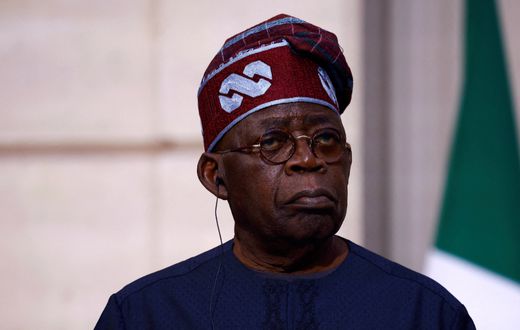
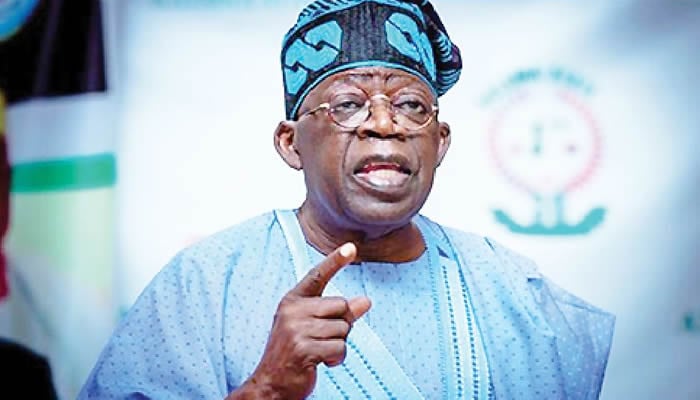
The announcement was made by the Executive Vice Chairman of the Nigerian Communications Commission (NCC), Aminu Maida, who confirmed that President Bola Tinubu instructed authorities to withdraw the tax during high-level discussions concerning the newly approved Finance Act. According to Maida, the President’s intervention followed careful assessments of the excise tax’s impact on both consumers and the nation’s increasingly digital economy. Reports from NCC indicate that stakeholders from various sectors had long expressed concern that the levy would stifle growth, increase digital exclusion, and burden everyday Nigerians.
Background: Why Was the Tax Introduced?
The 5% excise tax was first introduced in 2022 as part of broader fiscal reforms aimed at increasing government revenue in the wake of global economic pressures. Under the measure, telecom operators were required to incorporate the tax into their pricing structures, effectively raising the costs of calls, data, and related services for end-users.
However, from the outset, the policy faced significant backlash. Advocacy groups, industry leaders, and public commentators argued that the new charges would hinder Nigeria’s ambitious targets for digital transformation and financial inclusion. Others pointed out that many Nigerians already grapple with rising living costs, and that additional taxes on essential services could deepen the digital divide.
Impact on Nigerian Consumers and Businesses
With over 200 million mobile phone subscriptions according to figures from the Nigerian Communications Commission, Nigeria’s telecom sector is one of Africa’s largest and most active markets. For low and middle-income families, as well as micro and small businesses that rely heavily on mobile services, the 5% excise tax had been a source of major concern.
- According to the Association of Licensed Telecom Operators of Nigeria (ALTON), some subscribers reduced airtime and data usage while others avoided certain digital services altogether since the tax came into effect.
- Small businesses, particularly in Nigeria’s thriving e-commerce and fintech industries, reportedly saw operational costs climb, limiting their ability to compete and expand.
- Urban and rural dwellers alike raised alarms about affordability, with some civil society groups calling the tax “regressive” and “anti-poor.”
With the tax now revoked, experts anticipate a more inclusive digital landscape, greater consumer confidence, and potential boosts to entrepreneurship across Nigeria and beyond.
Regional Ripple Effects: Lessons for West Africa
Nigeria is widely seen as a regional economic hub, and its policy choices frequently influence those of neighboring countries. The scrapping of the telecoms levy could set a precedent for other West African nations grappling with how best to finance public spending without undermining long-term digital growth.
In Ghana, for instance, recent attempts to introduce similar telecom taxes have met mixed reactions from the public, as reported by Graphic Online. Experts say Nigeria’s course correction may prompt fresh debates in Accra, Abidjan, and other major cities across the region, as governments look to balance revenue needs with the imperative to support digital access and innovation.
Industry Voices: Mixed Reactions and Future Outlook
Initial reactions to the government’s move have been overwhelmingly positive among consumer advocacy groups and within the technology sector. “Consumers are the real winners here,” stated Adebayo Shittu, former Minister of Communications (as quoted by Premium Times). “Affordable communications are the backbone of modern economies, and this decision sends the right signal to prospective investors.”
However, some policymakers and economists have cautioned that eliminating the tax could widen Nigeria’s budget shortfall at a time when government revenues remain under pressure. They argue that, while the withdrawal eases short-term pressures, sustainable alternatives must be found to finance national development needs, from education to healthcare and infrastructure.
For their part, leading telecom operators have reportedly welcomed the move but called for ongoing engagement with government to ensure that regulatory reforms support both consumer needs and industry stability. Representatives from the National Association of Telecom Subscribers (NATCOMS) urged authorities to prioritize digital inclusion as well as reliable, affordable service delivery across urban and rural communities.
A Global Perspective: Digital Taxes in the Spotlight
The question of how to tax digital services is not unique to Nigeria. Governments worldwide are wrestling with ways to capture value from fast-growing technology sectors without stifling innovation or denying access to the underserved. The World Bank and the International Telecommunication Union (ITU) have both noted the delicate trade-offs involved in digital taxation.
With global demand for affordable, high-speed connectivity on the rise, policymakers from Africa to Asia and Europe are watching closely as countries like Nigeria chart their path forward.
Looking Ahead: What Does This Mean for Nigerians?
For millions of Nigerians, the reversal of the 5% telecom levy brings the promise of cheaper call tariffs and data packages—critical at a time when many people depend on their phones for work, learning, family connections, and access to essential services. For businesses, especially start-ups and SMEs, the policy shift could unlock new opportunities for growth and innovation, fueling local entrepreneurship and digital transformation.
Yet, challenges remain. Stakeholders urge the government to invest in robust, forward-thinking digital policy frameworks, while continuing to address core issues such as infrastructure gaps, cybersecurity, and industry regulation.
Many are asking: Can the government sustain market-friendly reforms while finding new, equitable ways to grow national revenue? Will other countries in West Africa follow suit, and how will global investors respond to Nigeria’s evolving telecom landscape?
Share Your Voice: What’s Next for Nigeria’s Digital Economy?
Do you believe removing the telecom excise tax will create lasting benefits for Nigerians, or do you see potential risks for public funding and infrastructure? How could this policy change shape the future of tech in West Africa? What lessons should policymakers in Ghana and elsewhere take from Nigeria’s experience?
Share your views in the comments below and don’t forget to follow us for more in-depth analysis and updates on Nigeria’s changing digital landscape.
Food inquiries: [email protected]
General support: [email protected]
Story sales/submissions: [email protected]
Follow us on Facebook
Follow us on X (Twitter)
Follow us on Instagram