

Fuel Tanker Explosion Along Ibadan Expressway Sparks Concern Over Road Safety and Infrastructure in Nigeria
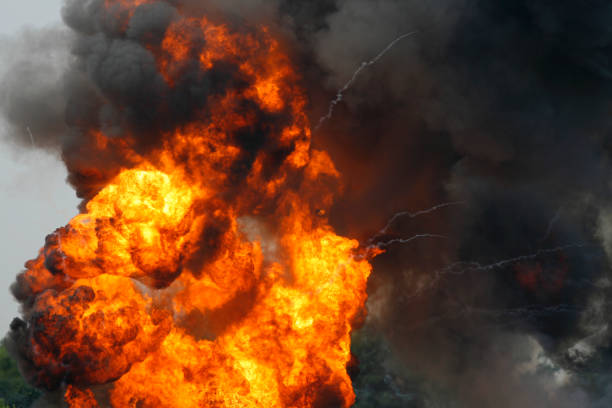
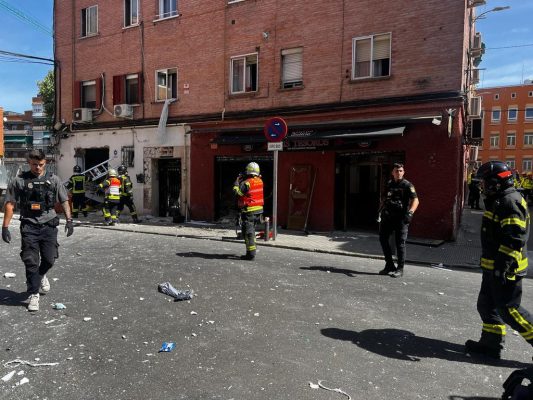
A major incident occurred on Saturday, April 12, near Lead City University, Ibadan, as a fuel tanker exploded along the Ibadan Expressway, causing widespread destruction to businesses and vehicles, and leaving several traders and residents facing substantial losses. The blast reportedly reduced multiple shops and cars to debris and has reignited public discourse over road safety and infrastructure across Nigeria and West Africa.
According to eyewitnesses and various news reports, the explosion happened at approximately 2:45 pm, sending dense black smoke high into the Ibadan sky and drawing immediate concern from the surrounding community. The economic loss from the incident is said to run into millions of naira, though official estimates are yet to be released as investigations continue.
Eyewitness accounts, corroborated by traders and motorists who spoke to journalists at the scene, suggest that the tanker’s driver and his assistant narrowly evaded fatal injuries. Several residents have attributed the accident to the ongoing road construction and frequent diversions in the area, which have created hazardous driving conditions. According to those present, poor road conditions remain a perennial safety risk on many major Nigerian highways.
Eyewitness Accounts Paint a Clear Picture of Risks Facing Road Users in Nigeria
“The potholes here are deep and everywhere, making it difficult for any large vehicle to pass safely. The tanker toppled while trying to navigate through a particularly bad section, and that’s when the explosion happened,” a local eyewitness told reporters at the scene. The accounts shared by residents suggest that the combination of inadequate road repairs and the high volume of traffic through this key artery connecting parts of Oyo State contributed significantly to the tragedy.
Another resident, who wished to remain anonymous for safety, noted, “By the grace of God, no lives were lost. But the value of properties destroyed can’t be measured – traders, transporters, even passersby have been badly affected,” she emphasized, echoing the deep concerns of many in the neighbourhood.
One shop owner, still visibly shaken hours after the incident, described the chaotic moment when the blast struck: “I was inside my shop when I heard a massive bang outside. Initially, I thought it was gunfire. Seconds later, smoke covered everywhere. People ran in every direction for safety. We called the Fire Service, but by the time the flames were put out, everything was gone. I have lost my entire business. I don’t even know how to start over,” he told correspondents, adding personal testimony to the broader story of resilience and hardship many face in such accidents.
According to statements from the Oyo State Fire Service, their personnel responded as quickly as possible to the emergency call. The Service’s General Manager, Akinyemi Akinyinka, confirmed to local media that firefighters were deployed to the site within minutes and managed to contain the inferno, preventing it from spreading deeper into the residential parts of the area.
Regional Reactions: Renewed Questions Over Infrastructure and Public Safety in West Africa
The Ibadan Expressway is regarded as one of the busiest and most vital roadways in Oyo State, serving as a commercial and transport lifeline not only for Nigeria but also for travellers linked to neighbouring West African countries. The accident has prompted urgent calls for infrastructural improvements, with residents, business owners, and commuters urging federal and state governments to prioritise repairs and effective traffic management during construction projects.
Infrastructure analysts, such as Engr. Adewale Oladipo of the Nigerian Road Users Association, note that incidents like this are preventable with adequate maintenance and robust public works oversight. In his words, “We see far too many such accidents every year. These losses could be minimised if there was strict enforcement of safety protocols – especially during roadworks. Road diversions and ongoing construction must be communicated and managed professionally to prevent chaos and accidents.”
Local authorities have stated that an official investigation into the explosion has begun. Meanwhile, various traders’ associations and civil society groups are calling for prompt compensation for affected business owners and greater attention to the plight of victims. They also demand that future road projects include proper warning signs, barriers, and emergency plans to safeguard lives and livelihoods throughout Nigeria and the West African region.
Global Context: Road Safety Remains a Cross-Regional Challenge
Road traffic accidents involving fuel tankers have drawn international concern in recent years, not just in Nigeria, but across the African continent and globally. The World Health Organization has consistently ranked Africa as having some of the world’s highest rates of road traffic fatalities. According to a 2023 WHO report, inadequate infrastructure, overloading, and insufficient emergency response systems contribute to frequent hazardous incidents in many parts of Africa.
Efforts to address these challenges have included increased funding for road repairs, introduction of stricter regulations for heavy-duty vehicles, and campaigns for safer driving practices. However, as analysts routinely emphasize, sustainable solutions require ongoing public education, multi-level collaboration between government agencies and the private sector, and a commitment to upholding safety standards even in the midst of development projects.
Balancing Economic Growth and Safety: Voices from the Local Community
The aftermath of the Ibadan Expressway explosion has raised important questions about how Nigerian cities can balance rapid commercial growth with the need for safe, functional public spaces. Small business owners and community leaders in Oyo State shared with Nowahalazone.com their hopes for systematic change that would prevent future tragedies. According to Tonye Nwosu, the head of a local traders’ association, “Our markets are the backbone of family incomes for many. Every time an accident like this happens, it sets people back by years. We need not only compensation but a government pledge to fix these roads once and for all.”
Conversely, some public policy commentators argue that while infrastructure upgrades are essential, public education and adherence to safety regulations by drivers and pedestrians are equally critical to ensuring urban safety. “It’s not just about fixing the roads, it’s also about responsible behaviour by all road users,” noted civil society advocate Maryam Tijani during a community forum in Ibadan.
Looking Ahead: Community Resilience and Calls to Action
While no fatalities have been reported in connection with this recent explosion, the losses experienced by traders and local residents highlight the far-reaching impact of such incidents in Nigeria and beyond. As communities come together to support those affected, the broader national conversation remains focused on whether enough is being done by authorities to guarantee public safety, particularly as infrastructural projects continue across the country.
Are infrastructure projects and emergency response systems in Nigeria and West Africa keeping pace with the demands of rapid urbanisation? What additional steps do you think local or federal governments should take to prevent tragedies like this on our roads? Share your perspective below.
Food inquiries: [email protected]
General support: [email protected]
Story sales/submissions: [email protected]
Follow us on Facebook
Follow us on X (Twitter)
Follow us on Instagram